 EN
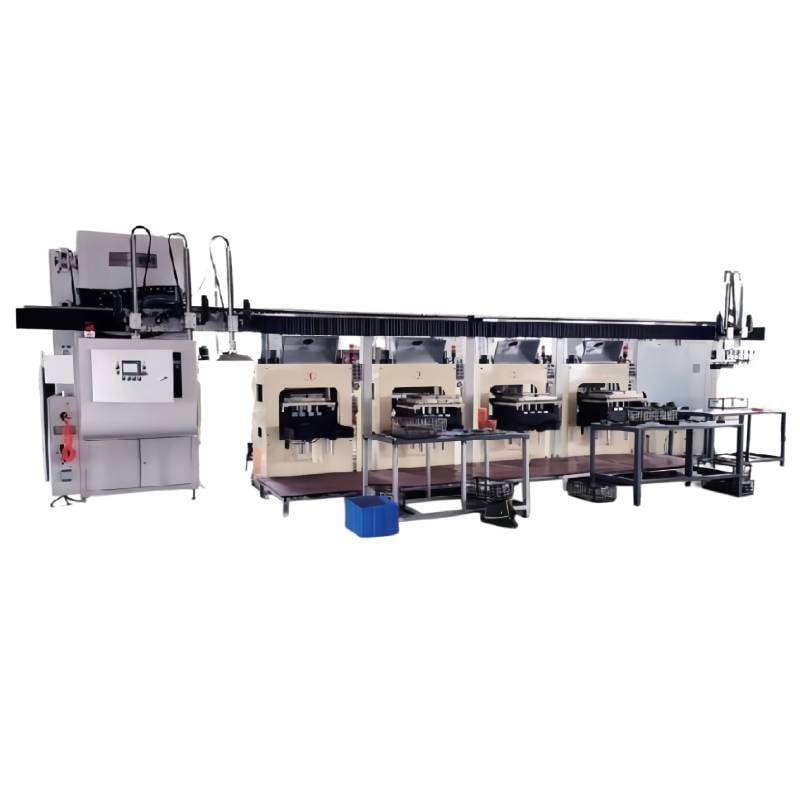
Brake pad factories have two main types of machines for making brake pads: automated presses and standard hot presses. These machines help in pressing the materials into the shape of brake pads. The choice between these two machines affects how much money a factory spends and how many brake pads it can make in a given time. YueChuang is a company that specializes in making high-quality brake pad production equipment, including both types of presses. Understanding the differences between automated and standard hot presses can help factories choose the best option for their needs.
What Are the Key Differences Between Automated Press and Standard Hot Press for Brake Pad Production?
Automated presses and standard hot presses have different ways of working. An automated press works with machines that can do things by themselves. They can load materials, press them, and then take out the finished brake pads without much help from people. This means that factories can make a lot of brake pads quickly and with less human error. For example, if a factory uses an automated press, it might produce thousands of brake pads in a day. This is great for keeping up with high demand.
On the other hand, standard hot presses for brake pads need more workers to manage everything. Workers have to load the materials, watch the pressing process, and take out the brake pads when they are done. This can take more time and may result in fewer brake pads made each day. However, some factories prefer standard hot presses because they can be cheaper to buy and maintain. They also allow for more hands-on control over the production process. If something goes wrong, a worker can quickly fix it without waiting for a machine to do it.
Another key difference is the cost. Automated presses are usually more expensive upfront because they use advanced technology. But in the long run, they can save money by producing more brake pads faster. Standard hot presses are less costly to buy, but they may not be as efficient over time. Factories have to think carefully about their needs, budget, and how many brake pads they want to produce when choosing between these two types of presses.
Where to Find the Best Deals on Automated Press Machines for Brake Pads?
Finding the best deals on automated press machines can be a bit tricky, but there are some good ways to find what you need. One of the best places to start is by checking online. Many companies, including YueChuang, have websites where they list their machines and prices. You can compare different models and see what features they offer. This way, you can find a press that fits your budget and production needs.
Another option is to attend trade shows or industry events. At these gatherings, many manufacturers show their machines. You can see the machines up close and even ask questions to learn more about them. Sometimes, companies offer discounts or special deals during these events to attract buyers. This can be a great opportunity to find a good deal that you might not find online.
Also, don’t forget about reaching out to other brake pad manufacturers. They can share their experiences and might know where to find good deals on automated presses. Networking with others in the industry can lead to helpful information and recommendations.
Finally, keep an eye out for used machines. Some companies sell their old equipment when they upgrade. These used machines can be a great way to save money while still getting a reliable automated press. Just make sure to check the condition of the machine and if it meets your production needs.
YueChuang is dedicated to providing the best options for brake pad manufacturers, whether they choose automated or standard presses. Making the right choice can help factories grow and succeed in their production goals.
What Are the Common Usage Issues with Standard Hot Press in Brake Pad Factories?
In brake pad factories, many people use a machine called a standard hot press. This machine is important because it helps to make the brake pads strong and safe. However, there are some common problems that can happen when using hot presses for carbon fiber molding equipment. One major issue is that they can be slow. When a factory needs to produce a lot of brake pads quickly, a standard hot press might not keep up. This can make the factory fall behind and miss deadlines. Speed is very important to make sure customers get their products on time.
Another problem with standard hot presses is that they can be less precise. This means that the brake pads might not be made exactly how they should be. If the brake pads are not made correctly, they might not work well, which can be dangerous for drivers. Factories need to make sure that every brake pad is just right. If they are not, it can lead to more waste, which means that the factory has to spend more money on materials and labor.
Additionally, standard hot presses require more hands-on work. Workers need to watch the machine closely and make adjustments when things go wrong. This can lead to tired workers and mistakes. If a worker is tired, they might not pay attention to what they are doing, which can increase the risks of accidents. Factories should be safe places, and having to rely on workers too much can lead to problems. Because of these issues, some factories are beginning to look for better options.
How to Choose Between Automated Press and Standard Hot Press for Your Brake Pad Factory?
When a brake pad factory is deciding between an automated press and a standard hot press, there are several important things to consider. First, the factory should think about how many brake pads they need to make. If they need to make a lot of brake pads quickly, an automated press is usually the best choice. Automated presses can work much faster than standard hot presses. They can also keep going for longer periods without needing breaks. This means that the factory can produce more brake pads in a day, which is great for meeting customer demands.
Next, the factory should think about the cost. Automated presses can be more expensive to buy and set up at first. However, they can save money in the long run. This is because they often require fewer workers to operate and can reduce waste by making brake pads more accurately. If a factory is looking to save money over time, investing in an automated press might be a smart choice. On the other hand, if the factory is smaller or just starting out, a standard hot press might be easier to manage and less costly to begin with.
Another factor to consider is the skill level of the workers. If the factory has workers who are very skilled and can operate standard hot presses well, it might make sense to stick with what they know. However, if the factory is looking to train new workers or wants to make the job easier, an automated press can be better. Automated presses can reduce the need for special skills, making it easier for new workers to step in and help. Overall, the factory needs to weigh its options carefully and think about its goals before making a decision.
What Are the Advantages of Using Automated Press for Bulk Brake Pad Production?
Using an automated press in a brake pad factory has many advantages, especially when producing large amounts of brake pads. One of the biggest benefits is speed. Brake pad production line can work much faster than standard hot presses, which means that the factory can produce more brake pads in a shorter time. This is very important for factories that have many orders to fill. When production is fast, it helps the factory keep customers happy, and happy customers often come back for more.
Another advantage of using an automated press is precision. Automated presses are designed to be very accurate. This means that the brake pads made in an automated press will be more consistent in size and shape. Consistency is crucial for brake pads because they need to fit perfectly in cars to work safely. If brake pads are not made correctly, it can lead to problems on the road. With better accuracy, factories can reduce waste and save money on materials. This is great for the environment and helps the factory’s budget.
Automated presses also require less manual labor. This means fewer workers are needed to run the machine, which can save money on labor costs. Fewer workers also mean that the factory can operate more smoothly because there are fewer people to manage. While it is important to have workers who can fix problems if they happen, automated presses often have fewer issues overall. This can lead to a safer working environment as well.
Table of Contents
- What Are the Key Differences Between Automated Press and Standard Hot Press for Brake Pad Production?
- Where to Find the Best Deals on Automated Press Machines for Brake Pads?
- What Are the Common Usage Issues with Standard Hot Press in Brake Pad Factories?
- How to Choose Between Automated Press and Standard Hot Press for Your Brake Pad Factory?
- What Are the Advantages of Using Automated Press for Bulk Brake Pad Production?